 Canada
 United States
 United Kingdom
 Nigeria
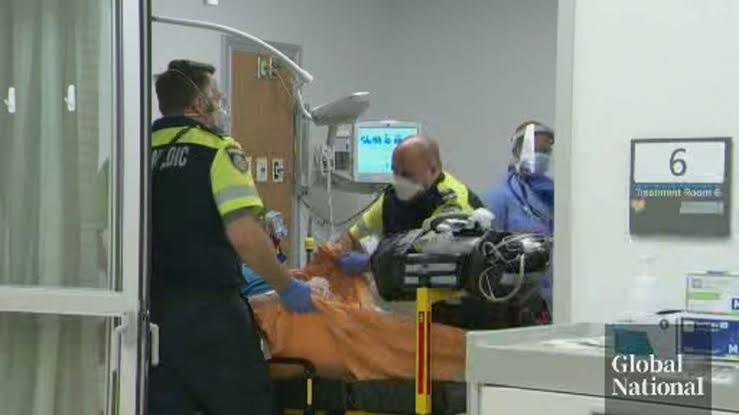
Public Safety Canada has reaffirmed its longstanding advice urging residents to prepare to survive for at least 72 hours without essential services such as running water and electricity during emergencies.
The clarification follows similar preparedness campaigns in the United Kingdom, France and Japan, where authorities have encouraged residents to stock up on essential supplies amid concerns about cyberattacks, severe weather and other potential disruptions.
Zarah Malik, a spokesperson for Public Safety Canada, said Canadians have been encouraged for years to ensure they can take care of themselves and their households for a minimum of three days during an emergency.
Countries Strengthen Emergency Preparedness
The United Kingdom launched its Be Ready campaign on October 22, encouraging residents to keep at least 72 hours' worth of essential supplies, including bottled water and non-perishable food.
In France, officials in Normandy also urged residents to prepare emergency bags containing essential items, while Japan launched a national disaster management agency focused on improving preparedness, including access to water and portable toilets.
Although the announcements have prompted speculation online, there is no indication that the different campaigns are coordinated or linked to a specific anticipated event.
Expert Recommends Seven Days of Supplies
Suzanne Bernier, a faculty member of the Disaster Recovery Institute of Canada, said governments have promoted emergency preparedness for decades but that the message deserves greater attention as natural disasters and cyberattacks become more common.
She encouraged Canadians to go beyond the government's minimum recommendation and aim to have at least seven days' worth of supplies.
Bernier also warned that cyberattacks targeting critical infrastructure could disrupt essential services, potentially leaving communities without immediate access to assistance.
She advised households to prepare emergency bags in case they need to evacuate and to consider the possibility that emergency responders may not be able to reach them immediately.
Focus on Community Resilience
Public Safety Canada maintains that 72 hours is a minimum recommendation, noting that restoring essential services or reaching affected residents could take longer in some areas.
Scott Cameron, co-founder of Emergency Management Logistics Canada, said individual preparedness should be supported by stronger community-level planning, including identifying local supply chains and available resources.
He stressed the importance of building communities that can support one another during emergencies rather than relying entirely on external assistance.
CBC News